Bringing Your Child to a Pediatric Dental Specialist for Early Orthodontic Treatment
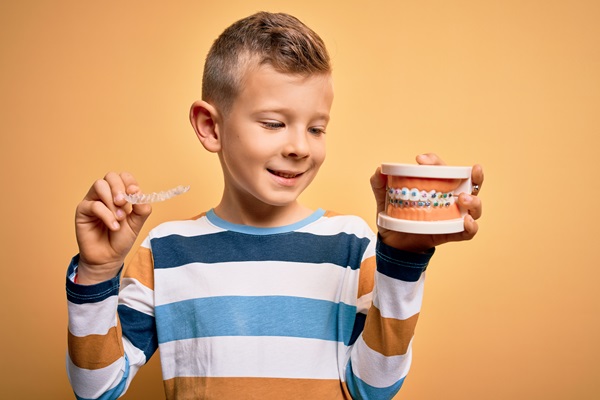
As with adults, a child's smile reflects their personality and how others perceive them. The health of their smile depends on numerous things, such as their oral hygiene habits and how often they go to the dentist. However, it can also be affected by orthodontic issues like an overcrowded mouth, an underbite, or crooked teeth. When these issues go untreated, they affect not only a kid's natural dental structure but their ability to eat and speak properly, their immunity to oral diseases, and their self-esteem.
It is important for parents to seek early orthodontic treatment as early as possible with a pediatric dentist to avoid future dental problems in the future. This specialized care can also help prevent damage to a child's confidence. Continue reading to learn more about the importance of early orthodontic treatment.
Signs a child may need early orthodontic treatment
Early or late loss of baby teeth
Children typically start losing their primary (baby) teeth by the time they are five years old and will likely have their permanent (adult) teeth by their early teen years. Primary teeth help guide the permanent teeth into the proper position as they erupt. Premature primary tooth loss can cause the teeth around them to shift out of their proper position and lead to crooked permanent teeth.
In comparison, a child can also lose primary teeth too late. If it is stubborn and refuses to fall out, the permanent tooth can erupt behind it and make a second row of teeth. This situation causes the permanent teeth row to be further back than it would be naturally. In addition, if a child's permanent teeth erupt while they still have a lot of baby teeth, the mouth will become crowded with both their primary and permanent teeth.
Difficulty eating or biting
If a child has difficulty chewing their food, they may have an anterior open bite, which is a type of malocclusion. A child with an open bite has slanted front upper and lower teeth that do not touch when they close their mouth. Open bite is typically caused by the following:
- Prolonged thumb or pacifier sucking
- Tongue thrusting
- Temporomandibular joint disorder (TMD or TMJ)
- A skeletal genetic problem
Crossbites
A crossbite is another type of malocclusion where upper teeth fit inside lower teeth. Crossbites can affect a single tooth or groups of teeth, whether front teeth, back teeth, or both. A crossbite is likely caused by genetics, delayed loss of baby teeth, or abnormal eruption of permanent teeth. It can also be caused by prolonged actions such as thumb sucking or swallowing abnormally.
Phases of early orthodontic treatment
While pediatric dental specialists tailor custom treatment based on each child's individual needs, early orthodontic treatment care will often follow two phases: phase 1 (interceptive orthodontics) and phase 2. Phase 1 typically starts when a child is between the ages of 6 and 10 and begins to lose their primary teeth. According to the American Association of Orthodontists, all children should have an orthodontist checkup by the age of 7 to detect whether they have abnormal jaw growth or tooth development. A pediatric dental specialist can better address these issues with children in this age group before their adult teeth erupt. Common phase 1 therapies include:
- Headgear
- Retainers
- Space maintainers
- Limited braces on select teeth
- Expansion appliances
After phase 1, young patients can begin phase 2 of their early orthodontic treatment during their early adolescent years. This treatment phase aims to align teeth for maximum esthetics, function, and stability using braces and special retainers or expansion appliances. In addition, if the child is missing teeth, the orthodontist can replace them, as well as fix or remove teeth that are out of their natural position or fail to erupt in time. In cases where the child has severe jaw development issues, they may need a combination of regular orthodontic care and surgery once their jaw is mature enough to qualify for the appropriate operation.
The benefits of early orthodontic treatment
There are several benefits of bringing a child to a pediatric dental specialist for early orthodontic treatment care. It allows the dental professional to identify and treat oral problems at their early stages. Some specific advantages include the following:
- Corrects dental habits, such as prolonged thumb-sucking or pacifier use, that can harm jaw development
- Guides jaw growth
- Helps the proper alignment of permanent teeth
- Improves the child's appearance and self-confidence
- Prevents the need for more extensive treatment as an adult
- Reduces the risk of a crowded mouth
- Reduces the risk of oral health issues (e.g., tooth decay and gum disease)
Schedule an appointment today
If your child is experiencing early orthodontic treatment problems, early intervention can improve their long-term oral health, preserve their smile, and help their self-confidence as they grow up. Our pediatric dental team can help you and your child care for their teeth and how to prevent future dental issues. Call our office to learn more or schedule an appointment.
Learn more about early orthodontic treatment dental care at https://fitsmilesortho.com or call (714) 782-0217 to schedule an appointment.
Check out what others are saying about our dental services on Yelp: Early Orthodontic Treatment in Tustin, CA.
Related Posts
Searching for an orthodontist near me can lead to a seamless transition to a healthier, more functional, and well-aligned smile. Modern orthodontic care offers much more than traditional metal brackets, so a localized search helps patients discover the latest in digital imaging and discreet treatment options. The best choice is to select a practice that…
Many people seek orthodontic treatment to repair smiles. Various issues can affect the way a person’s teeth and jaw look. Some people may have bite abnormalities. Other patients may come to an orthodontist because of crowding or gaps in the mouth. If you have crooked teeth, you are among a large number of patients seeking…
Maintaining the position of the teeth after orthodontic treatment requires the use of dental retainers. Read on to learn about the different types of retainers available. As soon as the braces or aligners come off, your teeth will begin repositioning themselves to where they were before treatment. To avoid relapse, you should use retainers. They…
When you finish orthodontic treatment, you will get a retainer. This appliance is vital in your treatment, as it will help to keep your teeth straight. A lot of work goes into straightening your teeth and aligning your jaw properly. You cannot afford to undo those efforts by neglecting to wear this device as your…