What To Expect With Ceramic Braces: Treatment Process and Care Tips
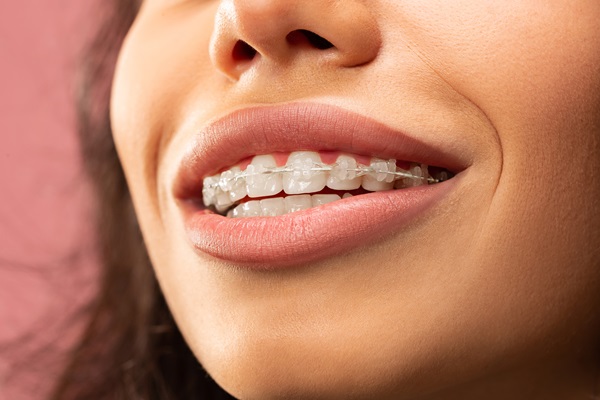
Curious about ceramic braces? Read on to learn more. If your teeth are not well-aligned, you can get ceramic braces to achieve the straight teeth and beautiful smile you desire. Many people choose ceramic braces because they are discreet and provide great results when treating orthodontic problems. Before starting treatment with ceramic braces, you should have a general understanding of the process.
An overview of ceramic braces
Ceramic braces serve the same purpose as metal braces, but they have a different appearance. Ceramic braces use brackets that are tooth-colored or clear, instead of metal, to make them more discreet and blend in with the teeth. The brackets are connected to the teeth and function by gradually moving the teeth to the preferred position using cables and rubber bands.
Initial consultation
Patients who are looking to get started with ceramic braces need to visit the orthodontist for a consultation. The dental professional will examine the individual’s teeth, jaw, and overall health of their oral cavity during this visit. A combination of X-rays, photos, and molds can help in figuring out the most appropriate treatment plan for that specific situation.
The orthodontist will provide information about the treatment, such as how long it will take, any possible discomfort, and instructions for taking care of the teeth afterward. Patients will also get the chance to talk about any inquiries or worries they might have regarding the treatment.
Installing the ceramic braces
After deciding on the treatment program, patients will be ready for the installation of the ceramic braces. The first step includes cleaning and prepping the teeth before connecting the brackets. The orthodontist will then connect each bracket over the front side of each tooth with dental cement. Once the brackets are in place, archwires are inserted through them and fastened with elastic bands.
The installation itself is usually painless, but patients may feel some soreness or discomfort after the braces are installed. Patients should stick to soft foods and over-the-counter pain relievers can help ease the discomfort during the first few days. The mouth will eventually adjust to the braces.
Aftercare considerations
Having braces may be slightly uncomfortable, particularly during the initial days after they are installed and following any subsequent adjustments. Patients might feel discomfort, tightness, or inflammation in their mouths, but these signs and symptoms can be alleviated with pain medication, orthodontic wax, or rinsing with warm salt water. It is crucial to steer clear of foods that are hard, sticky, or chewy as they may harm your braces. If the discomfort persists or becomes unbearable, a consultation with the orthodontist is necessary.
Adjustment appointments
It is important to schedule regular appointments with the orthodontist for adjustments and to keep track of the progress of the treatment. The dental professional will then make any needed adjustments to the bands and wires to ensure the teeth are aligning correctly. In order for the treatment to be effective, patients must make it a priority to attend all of their scheduled appointments.
Oral care with braces
While undergoing treatment with ceramic braces, patients need to ensure that their teeth are clean to prevent oral health issues like gum disease or tooth decay. Extra care and attention are needed when brushing and flossing near wires and brackets to properly eliminate food debris and plaque. For more effective cleaning, the orthodontist might recommend tools like water flossers or interdental brushes. Avoiding foods that can damage the braces, like hard candy, and chewing on tough objects is crucial.
Retainer phase
After wearing ceramic braces for an extended period, depending on the nature of the misalignment, the teeth will eventually be in their correct position. The orthodontist will take off the braces and provide retainers to ensure the new alignment of the teeth remains intact. Patients will wear the retainers all day at first and then transition to nighttime use to prevent teeth from moving back to their original positions. The orthodontist will also provide instructions on usage and maintenance. Patients should keep up with their appointments to make sure their teeth are properly cared for and continue to adjust to their new positions.
The bottom line
The procedure for getting ceramic braces will consist of multiple stages, but ultimately you will achieve a positive outcome. You can achieve a straighter smile by following the orthodontist’s guidance. After completing the teeth straightening treatment, ensure you keep up with good oral care habits and routine dental visits to maintain a healthy and bright smile in the long run. To get started, contact our office today to set up a consultation.
Request an appointment here: https://fitsmilesortho.com or call FitSmiles Orthodontics at (714) 782-0217 for an appointment in our Tustin office.
Check out what others are saying about our services on Yelp: Ceramic Braces in Tustin, CA.
Related Posts
To straighten crooked teeth, braces are a viable and effective treatment. Teens and adults alike can benefit from this orthodontic care. If you are unhappy with your smile, you should speak with an orthodontist about whether you are a good candidate for this method. Your needs and goals will differ from other patients. Still, the…
Searching for an orthodontist near me can lead to a seamless transition to a healthier, more functional, and well-aligned smile. Modern orthodontic care offers much more than traditional metal brackets, so a localized search helps patients discover the latest in digital imaging and discreet treatment options. The best choice is to select a practice that…
Many people seek orthodontic treatment to repair smiles. Various issues can affect the way a person’s teeth and jaw look. Some people may have bite abnormalities. Other patients may come to an orthodontist because of crowding or gaps in the mouth. If you have crooked teeth, you are among a large number of patients seeking…
Maintaining the position of the teeth after orthodontic treatment requires the use of dental retainers. Read on to learn about the different types of retainers available. As soon as the braces or aligners come off, your teeth will begin repositioning themselves to where they were before treatment. To avoid relapse, you should use retainers. They…