When to Consider Teeth Straightening
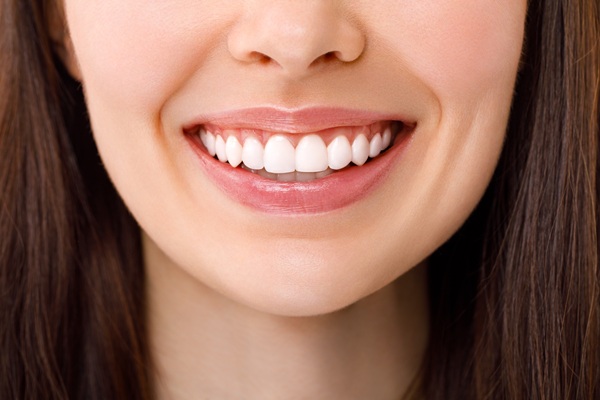
Through teeth straightening services, patients of all ages can alter the appearance of their smiles. These services can also improve oral health and make oral hygiene easier. If you are wondering whether to consult an orthodontist about teeth straightening, it can help to know the common signs that indicate it is time to book an appointment.
Understanding teeth straightening
Teeth straightening is often done for purely cosmetic reasons. Simply wanting a straighter, more picture-perfect smile remains a valid reason to ask an orthodontist about teeth straightening services. In fact, patients often report feeling more confident in their smile after these services, motivating them to socialize more. They may also find more confidence when engaging with others in academic or professional settings, such as while giving work presentations.
On the other hand, teeth straightening is sometimes necessary for oral health and development. Misaligned teeth (malocclusions) can lead to tooth pain and problems, such as increased tooth decay and gum disease risk, trouble biting down, and speech disorders. In children, malocclusions can also worsen as the permanent (adult) teeth erupt. The teeth may only become more crowded and crooked, again increasing the risk of oral health problems.
Signs to consider teeth straightening
Most patients will receive teeth straightening in their school years. Others wait until adulthood to consider teeth straightening, often doing so in preparation for an event like their wedding day. No matter one’s age, here are some common signs that indicate it is time to consider teeth straightening:
Crooked, gapped, and misaligned teeth
Of course, the No. 1 reason most people consider teeth straightening is that they have noticeably crooked or gapped teeth. Some bite issues are also noticeable, such as underbites and crossbites. As for overbites, a dental provider will typically be the first to point them out during a dental checkup.
Having a hard time cleaning the teeth
Malocclusions can complicate oral hygiene. For instance, crowded teeth can be hard to floss between and brush properly. As a result, tartar can build up and give way to tooth decay and gum disease. Patients who have a hard time cleaning misaligned teeth despite their best efforts may benefit from teeth straightening.
Frequently finding yourself biting your tongue
Everyone bites their tongue occasionally. However, malocclusions can cause frequent tongue biting due to the improper fit of the upper and lower arches of teeth. Teeth straightening can remedy this and make tongue biting a less frequent occurrence.
Speech difficulties
Malocclusions change the position of the teeth and influence the positioning of the tongue and how it hits against the teeth while speaking. As such, a 2021 study published in the Journal of Applied Oral Science found a link between speech disorders and malocclusions. Those with a lisp or other common speech difficulties may see improvements after realigning the bite.
Jaw problems
Because malocclusions affect how the upper and lower jaw fit together, they can lead to jaw pain, fatigue, and soreness. According to the Cleveland Clinic, if left alone, malocclusions may lead to the development of temporomandibular joint (TMJ) dysfunction.
The TMJ is the sliding hinge joint of the jaw. Thus, a common symptom of TMJ dysfunction is a jaw that clicks or pops when chewing, leading to difficulties and discomfort when eating. It can also cause frequent headaches, migraines, toothaches, ringing in the ears (tinnitus), and pain and soreness that runs from the jaw to the ear.
Approaches to teeth straightening
Orthodontists have several approaches to teeth straightening, many of which can help children and adult patients. The most common are metal braces. Alternatively, patients may opt for one of the following discreet teeth straightening options:
- Ceramic braces that use tooth-colored brackets and thinner wires.
- Lingual braces that are cemented to the backs of the teeth.
- Removable clear aligners made of medical-grade plastic.
Discreet teeth straightening is most effective for patients with mild to moderate malocclusions. Metal braces are the only option mentioned above that can effectively correct mild to severe malocclusions. However, ask an orthodontist before writing off a teeth straightening option. They may recommend a combination treatment, such as metal braces to realign severely crowded lower teeth and a clear aligner to straighten the upper teeth.
Consult an orthodontist today
Teeth straightening is an adaptable orthodontic service for mild to severe malocclusions. If you are interested in learning more, contact our Tustin orthodontist’s office today. We can discuss your or your child’s options during an appointment.
Request an appointment here: https://fitsmilesortho.com or call FitSmiles Orthodontics at (714) 782-0217 for an appointment in our Tustin office.
Check out what others are saying about our services on Yelp: Teeth Straightening in Tustin, CA.
Related Posts
When you finish orthodontic treatment, you will get a retainer. This appliance is vital in your treatment, as it will help to keep your teeth straight. A lot of work goes into straightening your teeth and aligning your jaw properly. You cannot afford to undo those efforts by neglecting to wear this device as your…
Clear aligner orthodontic therapy is a way to address a range of tooth and jaw misalignments, including but not limited to crooked teeth, overcrowding, gaps between teeth, overbites, underbites, crossbites, and more. This review focuses on clear aligner therapy and the benefits it can provide for patients.Clear aligner treatment is a simple and convenient way…
Metal braces have been a longstanding orthodontic treatment. People have used this method for decades, though teeth straightening has been common for centuries. If you are unhappy with your smile because of crooked teeth or bite abnormalities, your orthodontist can help. As you start treatment with braces, there are some tips you need to keep…
Children's braces often involve metal brackets and wires because this traditional orthodontic option has guided many growing smiles with reliable results. An orthodontist can use metal braces to correct crowding, spacing, bite problems, and tooth position in a steady, predictable way. While newer options exist, metal children's braces remain a popular choice among parents and…