Popular Treatments for Adult Orthodontics
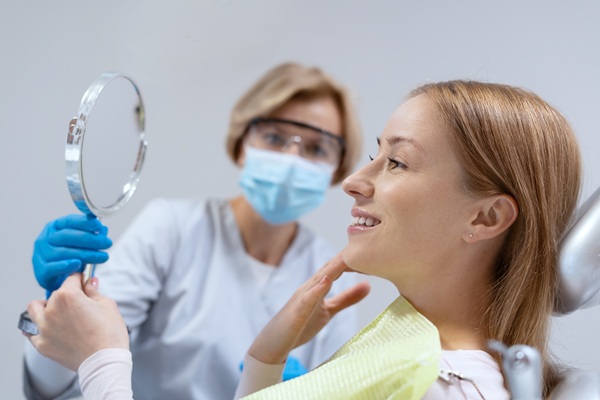
Adult orthodontics offers more options than ever for those who want a straighter, healthier smile without sacrificing confidence at work or in social settings. Today, adult orthodontics can correct crowding, gaps, bite problems, and shifting, regardless of whether the patient had braces before. Understanding the most popular treatment options can help you choose an approach that fits your lifestyle and smile goals.
Why more adults are choosing orthodontic treatment
Whether the patient had braces as a kid or has always wanted a straighter smile, adult orthodontics can help. For example, with age, the teeth may become more crowded, gaps may widen, or the bite may feel less stable. Adult orthodontics also supports restorative dentistry by aligning teeth before dental crowns, implants, or cosmetic services. This is because a straighter smile is easier to clean, reducing the risk of gum disease, decay, and wear and tear.
Despite the benefits of a straighter smile, many patients are hesitant to pursue orthodontic treatment in adulthood because of the visibility and discomfort associated with traditional methods, such as metal braces. However, modern techniques have made adult orthodontics more comfortable and discreet than ever before. Smaller brackets and clear aligners allow adults to pursue orthodontic care without feeling out of place in professional or social environments. As a result, treatment can become a routine part of comprehensive dental care instead of something associated only with kids and teenagers.
Main treatment options in adult orthodontics
Although the orthodontist tailors every treatment plan to fit the patient's needs, the most common include braces with low-profile metal or ceramic brackets and clear aligner systems that use removable trays. Combination approaches that use limited braces or other oral appliances are also an option.
An orthodontist evaluates tooth position, bite alignment, gum health, and jaw structure before recommending any of these options. The choice often depends on the complexity of the case, aesthetic preferences, and how precisely the patient wants their bite to be fine-tuned. For a closer look, explore the most common options below.
Modern braces
Braces remain a powerful tool in adult orthodontics, particularly for more complex misalignments. The orthodontist will bond brackets to the teeth and connect them with wires that apply gentle, continuous forces to move the smile into proper alignment. While adult braces retain the traditional design, modern systems use smaller, more streamlined brackets than in the past to improve comfort and appearance. Ceramic or tooth-colored brackets can also blend with the natural enamel. Brackets may even be bonded to the backs of the patient's teeth, rather than the fronts. As a result, braces are often less noticeable in photos and meetings.
In adult orthodontics, most types of braces can correct the following conditions:
- Crowding
- Rotated teeth
- Open bites
- Deep bites
- Crossbites
They also allow precise control over each tooth's movement. This flexibility is particularly important when coordinating corrective treatments with more intensive approaches to tooth alignment, such as dental implants or jaw surgery.
Clear aligners
Many adult patients initially visit an orthodontist for clear aligners. As one of the most popular treatments in adult orthodontics, these systems use a series of custom-made, transparent trays that fit closely over the teeth. With each set of aligners, the orthodontist can make small, planned changes, and patients switch to the next set on a pre-planned schedule. When worn as directed, they can correct many forms of crowding, spacing, and mild to moderate bite issues.
The primary advantages of clear aligners include general appearance and convenience. Aligners are nearly invisible at conversational distance. The patient can remove the aligners for eating, brushing, flossing, and short special events. This flexibility appeals strongly to adults who do not want brackets on their teeth or who do not want to restrict their diet or routine. However, success with aligners depends on the patient's appliance. They must wear the aligners for the recommended number of hours per day (about 20 to 22 hours) to ensure the treatment's long-term results.
Limited and interdisciplinary options
Some patients do not need or want full-arch treatment. Limited adult orthodontics focuses on specific areas, such as aligning only the front teeth or preparing a small space for other cosmetic or restorative dentistry services. An orthodontist may straighten teeth just enough to better accommodate dental veneers or a single dental implant.
This interdisciplinary approach is especially important when adult patients present with worn or missing teeth or a history of gum disease.
Book a consultation for adult orthodontics
Popular treatments for adult orthodontics now include many more options than traditional braces did in the past. With guidance from a team that understands both function and appearance, patients can select a path that aligns with their personal style, health needs, and smile goals. Book an appointment at FitSmiles Orthodontics to learn more about our adult orthodontic services.
Request an appointment here: https://fitsmilesortho.com or call FitSmiles Orthodontics at (714) 782-0217 for an appointment in our Tustin office.
Check out what others are saying about our dental services on Yelp: Orthodontics for Adults in Tustin, CA.
Related Posts
To straighten crooked teeth, braces are a viable and effective treatment. Teens and adults alike can benefit from this orthodontic care. If you are unhappy with your smile, you should speak with an orthodontist about whether you are a good candidate for this method. Your needs and goals will differ from other patients. Still, the…
Searching for an orthodontist near me can lead to a seamless transition to a healthier, more functional, and well-aligned smile. Modern orthodontic care offers much more than traditional metal brackets, so a localized search helps patients discover the latest in digital imaging and discreet treatment options. The best choice is to select a practice that…
Many people seek orthodontic treatment to repair smiles. Various issues can affect the way a person’s teeth and jaw look. Some people may have bite abnormalities. Other patients may come to an orthodontist because of crowding or gaps in the mouth. If you have crooked teeth, you are among a large number of patients seeking…
Maintaining the position of the teeth after orthodontic treatment requires the use of dental retainers. Read on to learn about the different types of retainers available. As soon as the braces or aligners come off, your teeth will begin repositioning themselves to where they were before treatment. To avoid relapse, you should use retainers. They…