Tips and Tricks for Easier Flossing With Braces
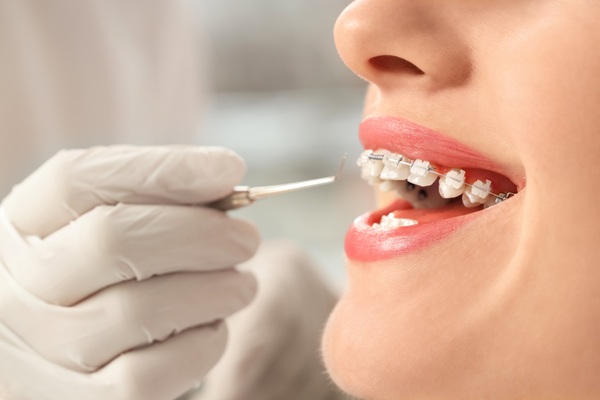
Starting life with braces often feels like a major adjustment, especially when the time comes to navigate the new landscape of wires and brackets during a nightly cleaning routine. While the new metal framework works hard to align the smile, it also creates countless tiny hiding spots where food particles love to linger. With a few simple tricks and the right mindset, this habit quickly transitions from a chore to a quick, easy part of the day.
Helpful tools that simplify the process
Modern dental technology offers several shortcuts that take the struggle out of reaching the narrow spaces between teeth. Floss threaders act much like a needle and thread, allowing the user to guide the floss exactly where it needs to go without any guesswork. For those who prefer a more high-tech approach, a water flosser uses a targeted stream of water to flush out debris from under the archwire in just a few seconds. These tools take the frustration out of the evening and make the process feel manageable for busy students and professionals alike.
Interdental brushes also serve as a great companion tool for scrubbing the sides of brackets where a standard toothbrush might miss. These tiny, tree-shaped brushes easily slide under the wire to clear out food traps that often lead to gum irritation. Having a variety of helper tools on hand turns a potentially difficult experience into a fast and effective routine.
Develop a reliable nightly rhythm
A consistent rhythm matters significantly more than the speed of the process, especially during the first few weeks of treatment. Orthodontists will encourage patients to gently curve the floss into a "C" shape around each tooth, allowing the string to reach just below the gumline to clear out hidden bacteria. Applying light, steady pressure prevents the floss from snapping into the gums and reduces the risk of lingering soreness. Over time, the hands learn the necessary movements, and the entire routine becomes a natural, second-nature part of the evening.
Here are a few extra tips to incorporate into a successful routine:
- Rinse first: Use warm water or a mouth rinse to loosen any large food particles before starting the floss.
- The threader trick: Use a threader to get the floss under the wire, then gently move it up and down against each tooth surface.
- Check the mirror: Good lighting and a clear view help ensure the floss reaches all the way to the back molars.
- The final polish: Finish with a thorough brushing and a fluoride rinse to lock in the protection.
Solving common orthodontic snags
It is perfectly normal to experience a little bit of gum tenderness or minor bleeding when starting a new flossing routine. Usually, this bleeding signals that the gums are a bit sensitive due to trapped plaque and will stop once the area becomes cleaner and healthier. However, if the floss consistently shreds on a specific bracket or a sharp wire end, a small piece of orthodontic wax can smooth over the rough spot. If a wire feels sharp or pokes the cheek, a quick call to the orthodontist ensures they can make a comfort adjustment.
If gum puffiness increases or pain persists, the orthodontist can evaluate the patient's technique and look for any trapped debris. Small adjustments to the cleaning angle or the type of tools used can often resolve these issues quickly. Many patients benefit from switching to a thicker floss that features a built-in stiff end for easier threading.
Habits That Protect the Smile
Simple lifestyle shifts can make the nightly flossing session much easier by reducing the amount of debris that gets stuck in the first place. For example, drinking a glass of water after every meal or snack helps rinse away sugar and starches before they can harden into stubborn plaque. Likewise, avoiding extremely sticky candies or chewy breads prevents food from getting "stuck" in the most difficult-to-reach areas under the braces.
Moreover, consistency often comes down to finding a time cue that works with a busy school or work schedule. Placing the flossing tools right next to the toothbrush serves as a physical reminder that the job is not yet finished. Some find that flossing while watching a favorite show or listening to a podcast makes the minutes fly by effortlessly. It may also help to keep a small travel kit with an interdental brush in a backpack or purse, allowing for a quick "emergency" clean after a lunch out with friends.
Call us for more tips and tricks
Flossing with braces becomes much easier with the right tools, a consistent nightly routine, and proactive troubleshooting for common snags. A steady approach protects the enamel around the brackets and helps the teeth stay vibrant and clean throughout the treatment. For more tips and tricks or to address concerns about your new braces, contact FitSmiles Orthodontics today.
Request an appointment here: https://fitsmilesortho.com or call FitSmiles Orthodontics at (714) 782-0217 for an appointment in our Tustin office.
Check out what others are saying about our services on Yelp: Braces in Tustin, CA.
Related Posts
Maintaining the position of the teeth after orthodontic treatment requires the use of dental retainers. Read on to learn about the different types of retainers available. As soon as the braces or aligners come off, your teeth will begin repositioning themselves to where they were before treatment. To avoid relapse, you should use retainers. They…
When you finish orthodontic treatment, you will get a retainer. This appliance is vital in your treatment, as it will help to keep your teeth straight. A lot of work goes into straightening your teeth and aligning your jaw properly. You cannot afford to undo those efforts by neglecting to wear this device as your…
Clear aligner orthodontic therapy is a way to address a range of tooth and jaw misalignments, including but not limited to crooked teeth, overcrowding, gaps between teeth, overbites, underbites, crossbites, and more. This review focuses on clear aligner therapy and the benefits it can provide for patients.Clear aligner treatment is a simple and convenient way…
Metal braces have been a longstanding orthodontic treatment. People have used this method for decades, though teeth straightening has been common for centuries. If you are unhappy with your smile because of crooked teeth or bite abnormalities, your orthodontist can help. As you start treatment with braces, there are some tips you need to keep…