How Kids’ Braces Have Improved
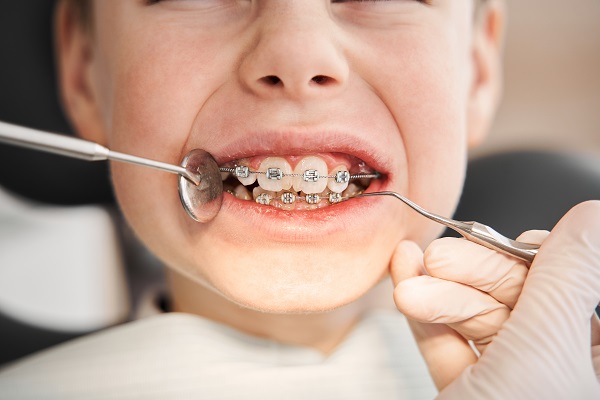
Advancements in dental technology have allowed those with oral problems to repair their smile, especially in the case of kid's braces. Children have benefitted from braces since the early 20th century, as this dental gear can straighten crooked or misaligned teeth, even in small patients. Much has improved over the years, allowing orthodontists to fit their patients with these aligners in a way that is much more comfortable than it was 20 or even 10 years ago.
A brief history of children’s braces
Some examples of braces date back to the time of the ancient Greeks. When it comes to modern versions, children’s models became more in style during the 1970s. Early examples featured more parts than modern styles and tended to cause problems:
- Reduced ability to taste food
- Lip and tongue discomfort
- Ill-adjusted wires and brackets
Fortunately, these issues tend to be not as common today, as several improvements have been made to make kids’ braces more comfortable than ever.
Arch wires
One advancement that makes children’s braces more comfortable today is the type of arch wires used. When braces are fitted, this is the wire that prevents the teeth from shifting out of place any further and works to straighten them at the same time. Stainless steel wire was most commonly used in the 1950s-1970s; however, today, more flexible alloys are used to make the process more comfortable, especially during the first few weeks of wear.
Smaller brackets
Thirty or 40 years ago, children who wore braces had a hard time concealing them because of the metal rings that were bonded to the hardware’s brackets. These rings kept the braces’ brackets in place were larger than the ones used by orthodontists today. They have since been replaced by bonded braces, where the brackets adhere directly to the affected teeth. These pieces are smaller and simpler to adjust, which can increase comfort for those who wear them.
Different styles
Children did not have much choice as to what their braces looked like until recently, when advances in oral care allowed fashion to play a role in straightening teeth. Now kids can choose from a variety of wire colors, bracket shapes and different tones to complement their tastes in attire and coloring. This advancement can be helpful for shy children who are not confident about the prospect of wearing braces, as designing their own can take some of the fear and doubt out of the experience.
Fewer X-rays
Children who wore braces in the last 30 years or so were likely X-rayed often, especially during the fitting process. Digital imaging has replaced some X-ray practices, as molds and other castings can now be achieved with simpler computer scans. Not only can this make the initial fitting appointments less stressful for young dental patients, but the reduced use of radiation should set parents’ minds at ease as well.
Conclusion
Kids' braces have changed a great deal since their use became popular during the mid-20th century. Improved technology, wider style variety and greater comfort have made this dental gear simpler to wear than ever.
Are you considering kids' braces in the Tustin area? Get more information at https://fitsmilesortho.com.
Check out what others are saying about our services on Yelp: Read our Yelp reviews.
Related Posts
To straighten crooked teeth, braces are a viable and effective treatment. Teens and adults alike can benefit from this orthodontic care. If you are unhappy with your smile, you should speak with an orthodontist about whether you are a good candidate for this method. Your needs and goals will differ from other patients. Still, the…
Searching for an orthodontist near me can lead to a seamless transition to a healthier, more functional, and well-aligned smile. Modern orthodontic care offers much more than traditional metal brackets, so a localized search helps patients discover the latest in digital imaging and discreet treatment options. The best choice is to select a practice that…
Many people seek orthodontic treatment to repair smiles. Various issues can affect the way a person’s teeth and jaw look. Some people may have bite abnormalities. Other patients may come to an orthodontist because of crowding or gaps in the mouth. If you have crooked teeth, you are among a large number of patients seeking…
Maintaining the position of the teeth after orthodontic treatment requires the use of dental retainers. Read on to learn about the different types of retainers available. As soon as the braces or aligners come off, your teeth will begin repositioning themselves to where they were before treatment. To avoid relapse, you should use retainers. They…