FAQs About Ceramic Braces for Kids
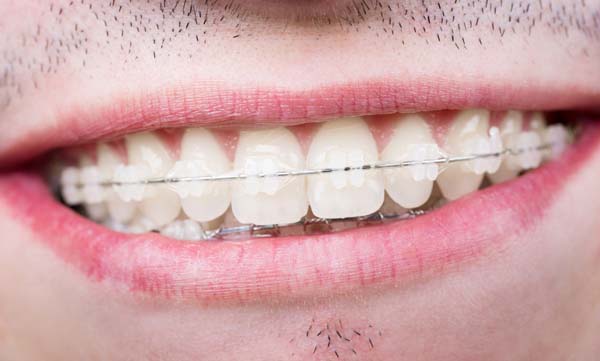
If you are told your child needs braces, but you do not like the idea of traditional metal braces, you might consider ceramic braces as another option. To help determine if these are the right option for your child, we have compiled a list of frequently asked questions about alternative ceramic braces.
How are braces made of ceramic different from traditional braces?
One of the main reasons why kids do not like wearing traditional braces is because they are made of metal, metal that easily stands out every time they open their mouths to smile or talk to someone. Not just the brackets but the wires and other components are all metal, and this can be a major source of stress and grief for young kids and teenagers.
Using ceramic instead makes it easier to mask the braces. Kids will still need the brackets and wires, but making them out of ceramic allows them to be colored to blend in better with the teeth to hide them, or the patient can choose to tint the wires fun colors to embrace having braces, but at least make it look sort of fun in the process. This can remove some of the social stigma that children are worried about. It will not solve all the problems that kids have with braces, but it can certainly help when other options are not available.
Is anyone eligible for ceramic braces?
There are a few minor differences in the way that these braces fit. This means that not every child may be a good fit for them.
For instance, if a child needs top and bottom braces, but the top teeth press or rub against the bottom teeth, then ceramic cannot be used on the bottom teeth for durability and comfort reasons.
Similarly, because ceramic is less durable than metal, there is a higher failure rate for braces made of ceramic. Still, your dentist will let you know whether your child is eligible and the failure rate for your child’s situation.
How effective are they?
Though ceramic is less durable than metal, when it comes to fixing your child’s alignment issues, they are just as effective as metal braces. This means that even if they have severe alignment issues, they can still get braces made from ceramic. Other alignment straightening options only work on mild to moderate issues, which means not every child will be eligible for them. Still, braces using ceramic are great for any level of correction.
What do they cost?
The exact cost will vary by patient, but ceramic braces cost, on average, around 15% more than traditional metal braces. This can add up to around $1,000 more for an average set. They may also need to be repaired more often due to the lower durability of ceramic versus metal. However, for the value they add to your child’s self-confidence and self-esteem by wearing braces made from ceramic, many parents feel it is worth the small increase in the cost over time.
Reach out for more information
Ceramic braces may be the right choice for your child. There are many considerations to keep in mind as you work toward the best solution for your child's dental health. Talk with your child’s pediatric dentist today and see if this is the right option for them.
Request an appointment here: https://fitsmilesortho.com or call FitSmiles Orthodontics at (714) 782-0217 for an appointment in our Tustin office.
Check out what others are saying about our services on Yelp: Read our Yelp reviews.
Related Posts
Metal braces have been a longstanding orthodontic treatment. People have used this method for decades, though teeth straightening has been common for centuries. If you are unhappy with your smile because of crooked teeth or bite abnormalities, your orthodontist can help. As you start treatment with braces, there are some tips you need to keep…
Children's braces often involve metal brackets and wires because this traditional orthodontic option has guided many growing smiles with reliable results. An orthodontist can use metal braces to correct crowding, spacing, bite problems, and tooth position in a steady, predictable way. While newer options exist, metal children's braces remain a popular choice among parents and…
Having orthodontic care makes a lot of sense in many situations. If you have crooked teeth or bite dysfunctions, this treatment may be right. Orthodontics can also be effective if you have gaps in your mouth or oddly shaped or worn teeth. The same is true for a crowded mouth. If you neglect to seek…
Choosing braces to correct your teeth can be an exciting and life-changing decision, but the process itself does not always go as planned. While discomfort and pain are not typical experiences with orthodontic treatment, there are many reasons you might feel uncomfortable throughout your journey towards straighter teeth – from being fitted to after you…