How Do Clear Aligners Work? [Orthodontist FAQ]
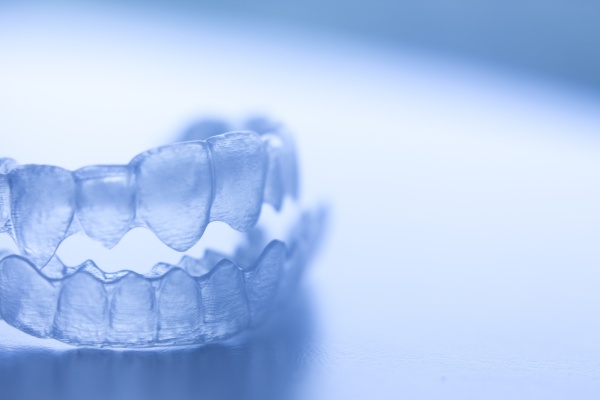
If the idea of wearing clear aligners intrigues you, do not hesitate to find out more about this treatment. For a long time, traditional metal braces were the only teeth-straightening method available. Now, you can count on aligners to correct bite problems and misalignments.
Hardly noticeable
It is not difficult to see braces on a person. This orthodontic option stands out and may even hinder a person’s social life. Clear aligners are virtually invisible. This appliance is made of clear plastic and fits nicely over the person’s teeth. The aligner is lightweight but able to withstand everyday use. This mouth appliance is much like a mouthguard that a person would wear at night or while playing sports.
The process of getting clear aligners
More and more orthodontic offices are offering the options of aligners in addition to braces. If the patient and orthodontist agree that this treatment makes sense, the staff will get right to work. The orthodontist will take X-rays of the patient’s teeth and make a digital mold of the mouth. The orthodontist will review this information and create a treatment plan. This will include detailing which teeth to move and where to move them. The orthodontic professional will then fit the person with a custom-made mouth appliance.
Wearing the aligners daily
While braces can be bulky and clunky, the clear aligners should not get in the way. One of the advantages of wearing the appliance is that the person can remove it at any time. The orthodontist will recommend how long it should stay in the person’s mouth, which is usually between 20 and 22 hours a day. The patient should remove the aligners during meals and for cleaning.
Regular follow-up
When a patient wears braces, the orthodontist will replace the bands and may add other elements, such as spacers, throughout the treatment. Similarly, the patient will make consistent visits to the orthodontist for adjustments to the aligners. At each appointment, the person should get a new appliance. Appointments are every four to eight weeks, depending on the issues the orthodontist is helping to correct.
Duration of treatment
Another critical benefit of wearing clear aligners is that the patient should not have to wear this mouthpiece as long as metal braces. For traditional braces, treatment time is typically between one and three years. Orthodontists can address the misaligned teeth with aligners in as few as six months. Every patient has different needs and goals, but this alternative offers an abbreviated timeframe.
Move forward with eagerness
If you are not happy with the way your teeth look, there are ways to correct the problem. Whether you have crooked teeth, a crowded mouth, gaps or bite dysfunctions, aligners could be the answer you need. Comfort, shorter treatment length and invisibility are a few of the benefits this appliance offers. Call your orthodontist today and discuss your interest in correcting your teeth with this method.
Are you considering getting clear aligners in the Tustin area? Get more information at https://fitsmilesortho.com.
Check out what others are saying about our services on Yelp: Read our Yelp reviews.
Related Posts
To straighten crooked teeth, braces are a viable and effective treatment. Teens and adults alike can benefit from this orthodontic care. If you are unhappy with your smile, you should speak with an orthodontist about whether you are a good candidate for this method. Your needs and goals will differ from other patients. Still, the…
Searching for an orthodontist near me can lead to a seamless transition to a healthier, more functional, and well-aligned smile. Modern orthodontic care offers much more than traditional metal brackets, so a localized search helps patients discover the latest in digital imaging and discreet treatment options. The best choice is to select a practice that…
Many people seek orthodontic treatment to repair smiles. Various issues can affect the way a person’s teeth and jaw look. Some people may have bite abnormalities. Other patients may come to an orthodontist because of crowding or gaps in the mouth. If you have crooked teeth, you are among a large number of patients seeking…
Maintaining the position of the teeth after orthodontic treatment requires the use of dental retainers. Read on to learn about the different types of retainers available. As soon as the braces or aligners come off, your teeth will begin repositioning themselves to where they were before treatment. To avoid relapse, you should use retainers. They…