Smile Design: Work Toward the Smile of Your Dreams
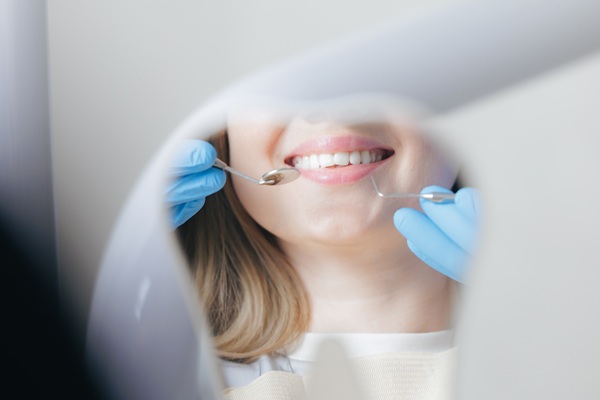
Smile design is a structured approach to improving the appearance of a smile while supporting comfort, function, and long-term oral health. Many people want brighter teeth, a more even shape, or a balanced gumline, but the results start with a plan that fits facial features and bite alignment. A dental professional evaluates aesthetics and oral health together to create a strategy that looks natural and feels stable. With the right sequencing, smile design can address multiple concerns in a coordinated way rather than treating issues one at a time. This comprehensive planning ensures that the changes support the overall health of the mouth.
What smile design means in modern dentistry
Smile design typically refers to a customized treatment plan that blends cosmetic and restorative options to enhance appearance. The process often considers tooth size, shape, color, and alignment, as well as gum symmetry and lip movement. A well-designed plan also protects function, since a smile should still support efficient chewing and a comfortable bite. Smile design is most effective when it follows a thorough evaluation that includes dental imaging and a review of the current oral health status. By examining the mouth as a whole, a provider can achieve a more balanced result.
Some concerns are cosmetic, whereas others pertain to the underlying structure. Chips, uneven edges, worn enamel, or gaps may look minor but still affect bite balance over time. Gum recession, inflammation, or old dental work may also influence the appropriateness of treatment for the individual. Smile design provides a framework that prioritizes health, followed by aesthetic improvements. This method ensures that the final results are built on a solid and healthy foundation.
How a smile design plan begins
The first step typically involves a consultation and examination to identify goals and clinical needs. A practitioner reviews tooth color, alignment, and wear patterns, as well as periodontal health and masticatory function. Photos, digital scans, and X-rays often support accurate planning and communication between the provider and the patient. Smile design may also include a preview step, such as a digital simulation or a temporary mock-up, to show how changes may look before final treatment begins. This allows adjustments to the plan to be made early in the process.
Common treatments included in smile design
Smile design can combine several services depending on the concerns involved. Professional whitening may improve tooth color, whereas bonding can repair small chips or close gaps between teeth. Veneers and crowns may address more significant cosmetic concerns or structural weakness in the enamel. Clear aligners can straighten teeth and improve spacing before final cosmetic enhancements are applied to the surface.
A smile design plan may also include the following:
- Gum contouring to improve symmetry when tissue appears uneven
- Periodontal treatment to support healthier gums before cosmetic work
- Replacement of old fillings to improve both appearance and function
- Targeted restorations to fix worn or damaged biting surfaces
Each of these steps is aligned in the right order to ensure the longevity of the work. For example, straightening teeth before placing veneers may allow more conservative tooth preparation. This logical progression is a hallmark of a professional approach to smile enhancement.
Benefits of smile design beyond appearance
Smile design aims to improve confidence, but it can also support healthier daily function for the patient. Straighter teeth can reduce plaque accumulation, thereby lowering the risk of caries and periodontal disease. Balanced tooth shape and bite alignment can reduce uneven wear and jaw strain over time. In many cases, smile design creates results that look natural because the plan respects facial proportions and gum contours. This harmony between the teeth and the rest of the face is vital for a pleasing result.
Long-term success depends on selecting durable materials and maintaining rigorous hygiene practices at home. A provider may recommend a nightguard for patients who clench or grind, since grinding can damage veneers, bonding, and natural enamel. Routine cleanings also help protect cosmetic work and the health of the surrounding gums. Smile design becomes more predictable when care includes prevention as a core part of the long-term plan. Protecting the investment in one's oral health requires a commitment to both professional and home care.
Get your smile design consult today
Smile design can provide a thoughtful path toward a healthier smile by coordinating cosmetic and restorative care in a structured plan. With careful evaluation, realistic goals, and the right sequence of treatments, improvements can look natural and feel comfortable. A professional can guide decisions on materials, timing, and maintenance to support lasting results. Smile design works best when aesthetics and oral health move forward together. For more information or to schedule an appointment, call our office.
To schedule a consultation, please request an appointment on our website at https://fitsmilesortho.com or call FitSmiles Orthodontics at (714) 782-0217 to arrange an appointment at our Tustin office.
Check out what others are saying about our services on Yelp: Read our Yelp reviews.
Related Posts
To straighten crooked teeth, braces are a viable and effective treatment. Teens and adults alike can benefit from this orthodontic care. If you are unhappy with your smile, you should speak with an orthodontist about whether you are a good candidate for this method. Your needs and goals will differ from other patients. Still, the…
Searching for an orthodontist near me can lead to a seamless transition to a healthier, more functional, and well-aligned smile. Modern orthodontic care offers much more than traditional metal brackets, so a localized search helps patients discover the latest in digital imaging and discreet treatment options. The best choice is to select a practice that…
Many people seek orthodontic treatment to repair smiles. Various issues can affect the way a person’s teeth and jaw look. Some people may have bite abnormalities. Other patients may come to an orthodontist because of crowding or gaps in the mouth. If you have crooked teeth, you are among a large number of patients seeking…
Maintaining the position of the teeth after orthodontic treatment requires the use of dental retainers. Read on to learn about the different types of retainers available. As soon as the braces or aligners come off, your teeth will begin repositioning themselves to where they were before treatment. To avoid relapse, you should use retainers. They…