What To Know About Teeth Whitening and Orthodontics
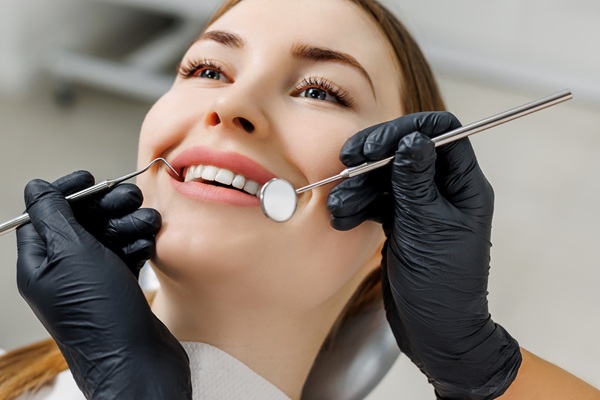
Are you considering teeth whitening while undergoing orthodontic treatment? Coordinating these two distinct treatments yields effective, long-lasting results. While a brighter, straighter smile is a shared goal for many patients, the timing and execution of these procedures require a strategic approach to ensure patient safety and long-lasting results.
How orthodontic alignment prioritizes oral health
Orthodontic treatment serves as the functional foundation for a healthy smile. While many people seek braces or clear aligners for cosmetic reasons, the primary benefit is the correction of dental crowding and bite alignment. When teeth overlap or are rotated improperly, they create tight spaces that are difficult to clean with standard brushing and flossing. Over time, these spaces can harbor bacteria that contribute to plaque and tartar buildup, increasing the risk of tooth decay and periodontal disease.
Correcting a bad bite, known as a malocclusion, also prevents the premature and uneven wear of the enamel. When the upper and lower teeth do not meet properly, certain teeth may experience excessive force, leading to chipping, cracking, or discomfort in the jaw joint. By aligning the teeth, orthodontic treatment helps the patient maintain a thorough oral hygiene routine and a bright, healthy smile.
The process of professional teeth whitening
Professional teeth whitening is a chemical process that removes surface stains and deeper discoloration in teeth. Extrinsic stains come from everyday habits, such as drinking coffee, eating tomato-based foods, or smoking cigarettes. Meanwhile, factors such as genetics, aging, and medications can cause intrinsic stains. Professional teeth whitening treatments use high-concentration bleaching agents, such as hydrogen peroxide or carbamide peroxide, to break down these stains.
Unlike over-the-counter options, professional treatment is supervised by a team of dental professionals to prevent injuries to soft tissues and enamel. It is important to note that materials like porcelain crowns and fillings do not respond to whitening agents. As a result, coordinating is necessary to ensure the natural teeth match any existing dental work and coordinate with the orthodontic treatment.
The strategic timing of whitening and braces
The most common question about teeth whitening and orthodontics is whether to whiten before, during, or after orthodontic treatment. In almost every scenario, we recommend that patients wait until the orthodontic treatment is complete. For patients with traditional metal or ceramic braces, the brackets are bonded directly to the center of each tooth. If we perform whitening while the braces are in place, the gel cannot reach the enamel beneath the bracket. After the hardware is removed, the patient will likely see darker squares on each tooth.
Even for those utilizing clear aligner therapy, waiting is generally the preferred option. Many aligner cases require small, tooth-colored attachments to be bonded to the enamel to help the trays grip the teeth. These attachments act like brackets, preventing the whitening agent from reaching the entire tooth surface. Completing the alignment first also ensures that the whitening treatment is applied to the entire visible surfaces of the newly straightened teeth, resulting in a uniform, well-aligned smile.
Managing sensitivity after treatment
Both moving the teeth and whitening them can lead to temporary tooth sensitivity. Orthodontic adjustments involve the biological remodeling of the bone as the teeth shift, which can cause mild soreness. Similarly, whitening agents temporarily open the pores of the enamel, making the nerves more reactive to hot and cold temperatures. To manage these sensations and maintain healthy oral tissues, patients should follow a specific care regimen:
- Use a toothpaste designed for sensitive teeth
- Clean thoroughly around orthodontic hardware
- Rinse the mouth with room-temperature water
- Apply orthodontic wax to any sharp edges of brackets
- Stick to a diet of soft, non-acidic foods after adjustments
- Strictly follow the wear-time instructions provided by the orthodontist
Following the steps above helps ensure that the patient remains comfortable as the teeth move and the enamel lightens.
How to maintain the long-term benefits of teeth whitening
Achieving a bright smile is an investment that requires consistent maintenance to last. Once the teeth-whitening and orthodontic phases are complete, the teeth remain susceptible to shifting and staining. Wearing a retainer as directed is the only way to prevent the teeth from drifting back toward their original, crooked positions.
At the same time, the enamel remains porous for a short time after whitening, allowing pigments to re-enter the teeth. To preserve the brightness and alignment of the smile, it is recommended to follow these habits:
- Limit consumption of highly pigmented beverages (e.g., red wine and coffee)
- Use a straw when consuming liquids
- Avoid the use of all tobacco products
- Attend professional dental cleanings every six months
- Rinse the mouth with water immediately after eating pigmented foods
Consistent daily care and professional oversight can help ensure that the patient's smile remains healthy and radiant for years to come.
Call our Tustin office to schedule a consultation
Planning your smile transformation journey is one of the most reliable ways to ensure you achieve the results you deserve. Are you ready to learn more? Call our Tustin office to schedule a consultation.
Request an appointment here: https://fitsmilesortho.com or call FitSmiles Orthodontics at (714) 782-0217 for an appointment in our Tustin office.
Check out what others are saying about our dental services on Yelp: Teeth Whitening in Tustin, CA.
Related Posts
To straighten crooked teeth, braces are a viable and effective treatment. Teens and adults alike can benefit from this orthodontic care. If you are unhappy with your smile, you should speak with an orthodontist about whether you are a good candidate for this method. Your needs and goals will differ from other patients. Still, the…
Searching for an orthodontist near me can lead to a seamless transition to a healthier, more functional, and well-aligned smile. Modern orthodontic care offers much more than traditional metal brackets, so a localized search helps patients discover the latest in digital imaging and discreet treatment options. The best choice is to select a practice that…
Many people seek orthodontic treatment to repair smiles. Various issues can affect the way a person’s teeth and jaw look. Some people may have bite abnormalities. Other patients may come to an orthodontist because of crowding or gaps in the mouth. If you have crooked teeth, you are among a large number of patients seeking…
Maintaining the position of the teeth after orthodontic treatment requires the use of dental retainers. Read on to learn about the different types of retainers available. As soon as the braces or aligners come off, your teeth will begin repositioning themselves to where they were before treatment. To avoid relapse, you should use retainers. They…