What To Look for When Searching for an “Orthodontist Near Me”
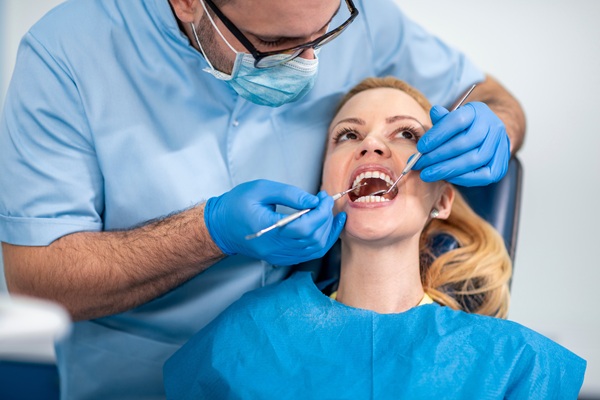
Searching for an orthodontist near me can be overwhelming, but clear criteria can make the decision easier. The right practice blends with clinical expertise, modern technology, and a patient-centered approach. With a focused checklist, families can identify a provider who supports comfort, efficiency, and long-term oral health.
Factors to consider when searching "orthodontist near me"
Credential and case experience
Start with training and board certification. An orthodontist who completes accredited education and maintains rigorous continuing education signals commitment to current techniques. Patients should look for signs that the practice handles cases similar to theirs, including crowding, bite discrepancies, early interceptive care, or complex adult treatment. A seasoned provider explains biomechanics, anticipated timelines, and realistic outcomes in clear language.
Technology that improves precision
When searching for the phrase "orthodontist near me," ensure the office utilizes digital tools that enhance diagnosis accuracy and patient comfort. Intraoral scanners replace messy impressions and create accurate models for aligners or braces. Cone-beam 3D imaging, when indicated, enhances evaluation of roots, airways, and jaw joints. Digital treatment planning allows simulated tooth movement, which improves predictability and aids informed consent. Technology should support precision without adding unnecessary steps or cost.
Comprehensive treatment options
Look for a practice that offers a full range of solutions. Metal or ceramic braces, lingual appliances, and clear aligners each serve different purposes. An experienced orthodontist discusses when aligners will perform well and create space for erupting teeth, while adult options focus on esthetics, periodontal health, and bite function. A balanced menu ensures that recommendations reflect needs, not limited inventory.
Personalized planning for growing patients and adults
Every smile responds differently. A child may benefit from phased treatment that steers growth and reduces future complexity. A teen may prioritize discreet options that fit sports or music commitments. An adult may seek bite stability that protects restorations and jaw joints. A thoughtful orthodontist near me tailors staging, appliance selection, and appointment cadence to lifestyle, comfort tolerance, and oral health goals.
Comfort, hygiene, and safety
Comfort drives cooperation and speeds progress. Smooth aligner edges, low-profile bracket systems, and gentle wire sequencing reduce irritation. The team should coach patients on wax use, soreness relief, and speech adaptation. Hygiene instruction matters as much as torque and rotation. Specific guidance for brushing around brackets, using floss threaders or interdental brushes, and managing aligner cleanliness prevents decalcification and gingival inflammation. Expect clear sterilization protocols and a safe, clean clinical environment.
Transparent costs and flexible scheduling
Orthodontic care represents a meaningful investment. A trustworthy practice explains total fees, what is included, and how insurance coordination works. Flexible payment plans, family discounts, and no-purpose policies reduce anxiety. Efficient scheduling, early, late, or selected weekend appointments, helps students and working adults adhere to visit intervals.
Communication and office culture
Results depend on teamwork between the orthodontist, the clinical team, and the patient. Evaluate how the office communicates. Are expectations clear? Do team members teach elastic wear, aligner protocols, and emergency steps in practical terms? An encouraging culture celebrates milestones and reinforces good habits. This atmosphere keeps motivation high and promotes consistent wear, which shortens timelines and improves the quality of results.
Red flags to avoid
Certain signs suggest a poor fit. Be cautious if a provider promises identical timelines for all cases, relies exclusively on one appliance type, or minimizes the importance of retention. High-pressure sales tactics, vague fees, or reluctance to answer detailed questions undermine trust. A reliable orthodontist welcomes second opinions and collaborates with general dentists, pediatric dentists, and other specialists when comprehensive care is beneficial.
Questions to ask during a consultation
Speaking of communicating with the dental practice. The best step to take after searching "orthodontist near me" is to schedule a consultation with a practice. While the website can provide a lot of helpful information, speaking with an orthodontist and their team encourages more specific questions and personalized answers. Consider asking the following questions:
- Which appliance options match the diagnosis, and why?
- What is a tentative timeline, and what factors can shorten or lengthen it?
- How will progress be measured, and how often are visits necessary?
- What is the total cost, and what does it include (emergencies, refinements, retainers)?
- What retention strategy will protect results long-term?
The list is not exhaustive, and patients are encouraged to ask as many questions as they need to to understand and feel comfortable with their new practice and treatment plan.
End your orthodontist near me search at FitSmiles Orthodontics
Selecting the provider after searching "orthodontist near me" involves more than proximity. It requires verifying the above factors and sitting with the orthodontist and their team. If you are ready to end your search, contact FitSmiles Orthodontics and schedule an appointment.
Request an appointment here: https://fitsmilesortho.com or call FitSmiles Orthodontics at (714) 782-0217 for an appointment in our Tustin office.
Check out what others are saying about our dental services on Yelp: Find an Orthodontist in Tustin, CA.
Related Posts
Orthodontics can improve your appearance, but it can also improve the alignment of your teeth and jaw, which in turn, can improve your oral and systemic health. Orthodontic problems affect the health of a patient in different ways. Eliminating the root cause (usually a bad bite) can eliminate other problems that stem from the orthodontic…
There are several myths and misconceptions about orthodontics. This is the process of correcting teeth alignment issues using appliances like clear alignments and metal braces. Treatment with orthodontics sometimes also leads to improvements in a person’s facial structure and appearance.Misaligned teeth can ruin how a smile looks and can also increase the risk of issues…
Smile design is a structured approach to improving the appearance of a smile while supporting comfort, function, and long-term oral health. Many people want brighter teeth, a more even shape, or a balanced gumline, but the results start with a plan that fits facial features and bite alignment. A dental professional evaluates aesthetics and oral…
Orthodontics can get you straighter teeth over 12 to 36 months, but treatment can put your teeth at an increased risk of developing tooth decay. Your risk of gum disease also goes up during treatment. This is due to the nature of the appliances used for orthodontics.Braces come with the highest risk of tooth decay.…