What You Should Ask a Pediatric Orthodontist
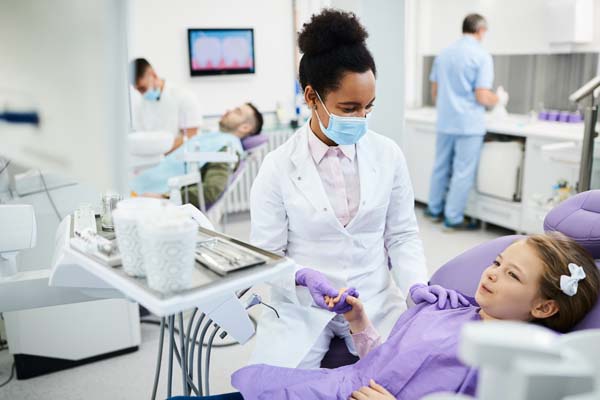
If your child has misalignments or crooked teeth, you may be wondering what the options are. A pediatric orthodontist can answer all your questions and recommend the right treatment plan. You may have a lot of questions before diving into orthodontic treatment, and there are certain ones that you should ask at the consultation.
Frequently asked questions
A pediatric orthodontist has special training to work with children and ensure they get the most effective treatment. It is never too early to begin to research options when it comes to your child's teeth and smile.
What causes crooked teeth?
Genetics is the biggest cause of misaligned and crooked teeth. However, other causes include:
- Accidents or trauma
- Advanced dental decay
- Thumb sucking
- Early loss of baby teeth
What are the benefits of fixing crooked teeth?
One of the biggest benefits of fixing crooked teeth is to improve one's smile, which, in turn, increases confidence and self-esteem. However, there are other benefits besides aesthetic ones. Misaligned teeth are harder to brush and floss properly, which increases the chances of cavities and gum disease. Straight teeth are easier to clean, which often results in less decay.
If the teeth are crooked due to overcrowding, this can lead to numerous issues such as damaged teeth, bite issues, headaches, TMJ, and difficulties with wisdom teeth eruption. Crooked teeth can also result in chronic bad breath and overall health problems.
What orthodontic options are available?
The most common treatment that a pediatric orthodontist recommends is traditional metal braces. These consist of a metal bracket that is attached to the front of the teeth. They are connected with metal wires that are tightened at regular intervals to slowly move the teeth into the desired position. Children can personalize them with colored bands for a fun look.
Another option is ceramic braces. These work similarly to the metal braces, but the brackets are made with clear ceramic, so they are less noticeable.
For some patients, lingual braces may be an option. These are metal braces that attach to the back of the teeth.
For minor misalignments, clear aligners may be the right choice. These are almost invisible, and they are removed for eating and brushing.
When should my child begin orthodontic treatment?
The age to start treatment varies on a number of factors. It is recommended that a child have a consultation with a pediatric orthodontist around the age of 6 or 7, which will give you a better idea of when you should consider treatment.
How long will it take to complete treatment?
Treatment varies based on the severity of the misalignments, the type of orthodontic treatment, and each individual patient. The average completion time ranges from 12 to 36 months.
Conclusion
Fixing misalignments is advantageous in many ways. A pediatric orthodontist can recommend the right straightening option based on your child's dental problems, your child's age, and your budget.
If you think your child may need orthodontic treatment, our office can help. Schedule a consultation with the pediatric orthodontist today.
Check out what others are saying about our dental services on Yelp: Pediatric orthodontist in Tustin, CA.
Related Posts
Are you considering teeth whitening while undergoing orthodontic treatment? Coordinating these two distinct treatments yields effective, long-lasting results. While a brighter, straighter smile is a shared goal for many patients, the timing and execution of these procedures require a strategic approach to ensure patient safety and long-lasting results.Orthodontic treatment serves as the functional foundation for…
Orthodontics takes commitment and patience on the part of the patient and their dentist. The process requires you to invest your time, mental energy, and money in the quest for an improved smile. The good news is that your investment can pay off in a big way. Your oral health can improve, your confidence can…
Orthodontics aims to straighten teeth and address a variety of issues that can develop as a result of poor teeth or jaw alignment. Issues that can be treated with orthodontic devices include spaces between teeth, crossbites, and crooked teeth.Orthodontics can also be used as preventative dentistry because it can be used to fix issues with…
When considering cosmetic orthodontics, most people only think of tooth implants for missing teeth. However, one of the most common reasons for a visit to an orthodontist is crowded teeth. Overcrowding is caused by teeth that are too close together or the jawbone that has not grown normally and cannot accommodate all the teeth. Read…