You May Need Orthodontic Work Before Getting a Dental Implant
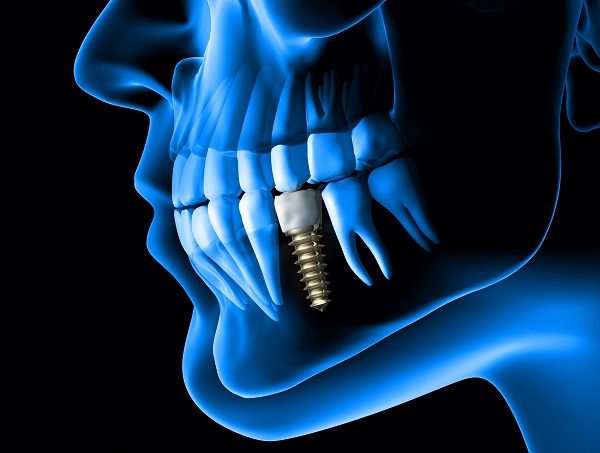
You may have delayed replacing a lost tooth for a long time due to certain reasons. However, the orthodontic work of getting a dental implant to fill the gap in your dentition may be easier than you think.
If the tooth has been missing for a while, there could be issues with the gap. Usually, the space left by the tooth causes the teeth on both sides to shift slowly into the gap, making it difficult to place an implant. Orthodontic work is needed to shift these teeth to their normal place.
The need for orthodontic work
In some cases, patients who have a lost tooth and want to correct the alignment of their dentition may opt for both braces and dental implants as part of the corrective procedure. When this happens, the order of treatment will depend on the particular needs of the patient.
Usually, the orthodontist will complete the treatment first because it is impossible for implants to be repositioned after the oral surgeon positions them in the jaw and osseointegration commences. It is therefore vital to reposition the teeth first to make room for the implant.
Orthodontic options
It is possible to use traditional metal braces to correct orthodontic issues in the teeth. Braces create tension or pressure on the teeth directed toward the desired movement. The teeth have a natural mechanism that moves the teeth automatically.
Despite their effectiveness, braces are usually conspicuous and can be awkward for most adults who have to use them for several months of treatment. However, there is a suitable alternative: clear aligners, or custom-made transparent plastic trays worn over the teeth in a two-week interval. The patient will return periodically to the dentist’s office to get a new set of trays that shifts the teeth further and gradually to their proper position.
Although they are not effective for every orthodontic issue, clear aligners offer significant benefits when they are applicable. They are less noticeable to others and can be detached for cleaning, eating or brushing. Interestingly, the orthodontist may even add a temporary prosthetic tooth to the tray to mask the gap while treatment lasts.
Another glitch you may encounter: If the tooth loss was caused by gum disease, the gum and underlying jawbone may not be in a good state. The truth is that significant bone loss could disqualify you from receiving an implant altogether. The dental expert may be able to correct the gum and bone defects using bone grafts or plastic surgery.
There is a chance to regenerate enough bone mass to hold the implant, and through surgical correction, the implants will appear more natural.
In conclusion
If you have issues related to this, you may still be able to accomplish your restoration goals. By undergoing orthodontic work ahead of time, it may be possible to get dental implants. If you want to know more about restoring your smile after tooth loss, feel free to contact the dental office for an appointment.
Request an appointment here: https://fitsmilesortho.com or call FitSmiles Orthodontics at (714) 782-0217 for an appointment in our Tustin office.
Check out what others are saying about our services on Yelp: Read our Yelp reviews.
Related Posts
To straighten crooked teeth, braces are a viable and effective treatment. Teens and adults alike can benefit from this orthodontic care. If you are unhappy with your smile, you should speak with an orthodontist about whether you are a good candidate for this method. Your needs and goals will differ from other patients. Still, the…
Searching for an orthodontist near me can lead to a seamless transition to a healthier, more functional, and well-aligned smile. Modern orthodontic care offers much more than traditional metal brackets, so a localized search helps patients discover the latest in digital imaging and discreet treatment options. The best choice is to select a practice that…
Many people seek orthodontic treatment to repair smiles. Various issues can affect the way a person’s teeth and jaw look. Some people may have bite abnormalities. Other patients may come to an orthodontist because of crowding or gaps in the mouth. If you have crooked teeth, you are among a large number of patients seeking…
Maintaining the position of the teeth after orthodontic treatment requires the use of dental retainers. Read on to learn about the different types of retainers available. As soon as the braces or aligners come off, your teeth will begin repositioning themselves to where they were before treatment. To avoid relapse, you should use retainers. They…